When you’ve been in franchising long enough, you start to recognize a pattern.
A brand grows, owners hit a comfortable level, and somewhere along the way the focus quietly shifts from building the business to maintaining it. That slow drift from healthy contentment into quiet complacency doesn’t show up on a single report, but it can cost owners years when they’re trying to grow or prepare for an exit.
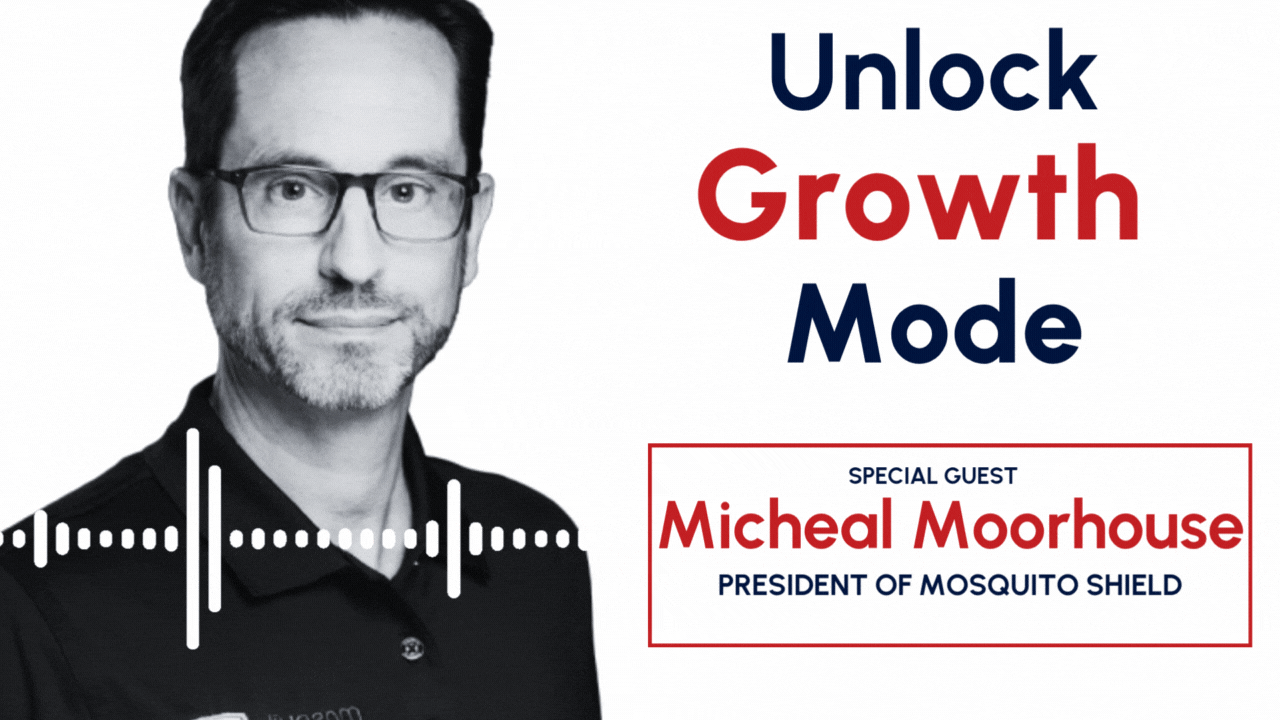
That’s why my conversation with Michael Moorhouse, President of Mosquito Shield, stood out. On this episode of The Advisory Board Podcast, Michael unpacked how his team turned a highly seasonal business into a system where owners stay engaged, accountable, and moving forward.
If you’re an emerging franchisor, a seasoned brand president, or an owner who feels like growth has flattened, his playbook is worth studying.
Meet Michael Moorhouse
Michael’s story with Mosquito Shield started back in 2008, when he was helping the founder with a lawn care business during the 2008–09 downturn. While lawn care struggled, a small mosquito control business in Massachusetts kept growing. That business had launched in 2001, and even through events like 9/11 and the Great Recession, demand kept climbing.
In 2011, the founder pulled Michael aside and asked him to explore franchising the model. After about 18 months of work, they launched Mosquito Shield Franchise Corp. in 2013. From there, they grew from zero to 100+ owners and 400+ territories, ultimately being acquired by Five Star Franchising in 2022.
Today, Michael serves as brand president, based in New Hampshire, traveling frequently for franchise development, Five Star events, and owner visits. He’s also a dad of five who loves boating and golfing with his kids—something that’s shaped how he thinks about time, trust, and relationships with franchise owners.
Stop Calling It the “Off-Season”
Mosquito Shield is deeply seasonal. That reality created a mindset trap for owners who saw the slower months as time “off” rather than time to work on the business.
Michael decided they had to kill the phrase off-season.
“We had to get rid of that off-season mentality. So now we’re ‘peak’ and ‘non-peak.’ We don’t talk about being off at all.”
Instead of shutting down mentally from October to March, owners are expected to:
- Recap how the season went
- Look at what worked and what didn’t
- Plan improvements
- Gear up for their January owners’ convention
- Prepare for what Michael calls “300 miles an hour” once April hits
This isn’t about denying seasonality. It’s about reframing non-peak as a strategic window where you set up the next peak season for success.
Invest in Coaching Capacity Before You Feel Ready
A lot of emerging brands wait too long to build real support around their owners. They know they need more franchise business coaches (FBCs), but they’re hesitant to make the OPEX investment.
Michael went the other way.
He and his team:
- Hired three full-time FBCs
- Hired a full-time launch coach
- Pushed for a more intensive owner-to-coach ratio of about 20 owners per coach instead of the more common 30–40
“We have a short amount of time to make a change and have impact for this year. For a lot of owners in year one or two, this year is everything. If they’re getting a call every six weeks because I only have two full-time FBCs and not four, that’s not enough.”
New owners spend their first 12 months with a dedicated launch coach—often with weekly or even daily calls—before “leaving the nest” and moving to a full-time FBC. At the same time, a seasoned VP of Operations with 20 years of coaching experience works directly with top-performing, complex, and legacy owners who have thousands of customers and very different needs.
That stratification—launch coach for new owners, specialized coaching for high-volume and long-term owners—lets Mosquito Shield meet people where they are in the journey instead of forcing everyone through the same generic playbook.
Align First, Then Earn Buy-In—with Data
One of the cleaner distinctions Michael made in the conversation was between alignment and buy-in.
“Alignment is understanding the issue; buy-in is believing it’s the right course of action.”
He needed his internal team aligned around the problem—owners treating non-peak months like downtime—and the data that proved it. But he also needed them bought in enough to go out and champion a new narrative across the system.
He leaned on a simple principle:
“Tell me and I’ll forget. Show me, I may remember. Involve me, I’ll understand.”
They involved the FBCs in the data:
- Customer acquisition: Are locations growing at the rate they should?
- Retention: Are owners hitting the 85% renewal rates the model can deliver?
- Referrals: Are happy customers fueling organic growth?
- Normative benchmarks: How do owners compare to peers at similar tenure and in similar regions?
With 20+ years of system data, they can look at an owner in their third season and say, “You’re off the pace, and here’s exactly where and why.” That data-backed approach is what allows coaches to have tougher, more honest conversations—and actually help owners change.
Don’t Confuse Contentment with Complacency—Especially Before an Exit
e spent time on what happens to mature owners who’ve built strong businesses and then hit a plateau.
There’s a healthy form of contentment—being grateful for what the business provides. But in Michael’s experience, complacency can quietly sabotage long-term plans, especially around exit value.
“It can add as long as two or three years to an exit if you become complacent… You’re not going to get the exit you deserve because anyone looking at that business is going to say, ‘What’s happened over the last couple of years? This business is stagnant.’”
In just the past 12 months, Mosquito Shield has seen some of its oldest owners achieve life-changing exits. Michael ties that directly to:
- Having hard, data-backed conversations about performance
- Keeping owners focused on growth, not just maintenance
- Treating accountability as an act of partnership, not punishment
He also never lets his team forget one key truth: these owners chose Mosquito Shield. They invested their capital and trust in this brand, and the franchisor has a responsibility to drive value, not just collect royalties.
Lead from the Front—Dial, Visit, and Spend Time
One of the clearest examples of Mosquito Shield’s culture is their National Callback Night.
They invited owners to join a live virtual event where everyone—franchisees and corporate team—spent the evening calling leads and win-backs together. They:
- Had owners share how they approach outbound calls
- Used breakout rooms so team members could jump in and help call
- Built a leaderboard to track wins in real time
“We wanted to prove there’s money waiting for you. Dialing equals dollars.”
The impact wasn’t just in the appointments booked. It sent a message: the franchisor is willing to do the hard, unglamorous work with you, not just tell you to do it.
Michael applies the same principle to field time and dinners with owners. When he’s traveling for franchise development or Five Star events, he’ll often fly in a night early or stay a night late just to have dinner with nearby owners—regardless of the size of their location or whether the relationship is easy or strained.
We talked about a line he quoted and fully agreed with:
“People spell love T-I-M-E.”
As a dad and as a leader, he connects that idea directly to franchising. If you’re not giving your owners your time, you’re missing the chance to build trust, understand their real challenges, and coach them through the next stage.
Wrap Up Thoughts
What I appreciate most about this conversation is how practical and people-centered Michael’s leadership is.
He and his team didn’t just:
- Rename “off-season” to “non-peak”
- Hire more coaches
- Run more reports
They built a system around owners that combines:
- Clear expectations (peak vs non-peak)
- Serious investment in coaching before it felt comfortable
- Data-informed accountability
- Tough conversations wrapped in genuine care
- Meaningful time together, both on the phones and around dinner tables
And the results reflect it:
- 2024: their best year ever
- 2025: currently about 12% up over that record year
- 15 out of 17 weeks of system-wide growth in new customer acquisition, with the only dips tied to weather
Underneath those numbers is something just as important: excitement and engagement in the owner base. Town hall participation is up. Owners are leaning into coaching. There’s real FOMO around missing what’s being shared next.
It’s a compelling example of what can happen when a franchisor truly treats value and accountability as twin obligations to their owners.
Listen & Watch the Full Conversation
Watch the full episode on YouTube
Check out the podcast hub channel
Connect with Michael Moorhouse on LinkedIn and learn more about Mosquito Shield.