
Famous franchise brands show that scalable franchising depends on repeatable systems, consistent customer experience, and smart local adaptation.
In this post, we’ll explore some of the most famous franchise examples that have shaped the industry. These iconic brands offer valuable insights for anyone considering franchising as a business strategy.
Key takeaways
- Standardization scales brands: repeatable operating systems protect consistency across locations.
- Localization prevents stagnation: top franchises adapt menus/products to local preferences without breaking core standards.
- Accessible franchise economics can accelerate growth (but must be supported by strong ops).
- Customization can be a moat when it’s operationally engineered (fast, repeatable assembly-line personalization).
- Digital ordering and loyalty programs increasingly shape performance in mature franchise markets.
- Training systems are a growth lever: consistent training reduces variability across locations.
- Ethical sourcing/community programs can strengthen brand trust while supporting long-term expansion.
How McDonald’s Became a Global Franchise Giant
McDonald’s transformation from a single restaurant to a global franchise powerhouse exemplifies the strength of standardization and adaptability.
The McDonald brothers founded the company in 1940, but its true expansion began when Ray Kroc joined in 1955. Kroc’s vision was that there would be 1,000 McDonald’s restaurants solely in the United States. Yet, McDonald’s continued to grow and expand into a global phenomenon.
Standardization and Consistency
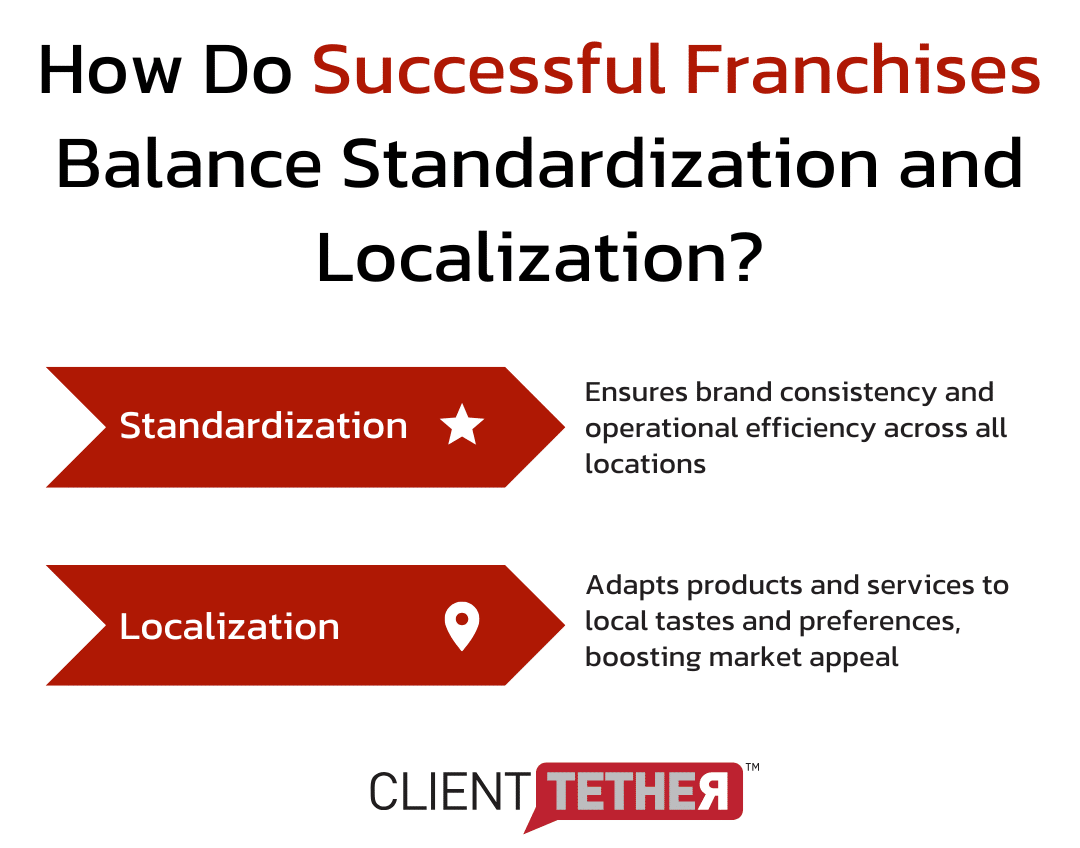
McDonald’s success stems from its ability to deliver a consistent experience across all locations. The company’s Operations and Training Manual (often called the “Bible”) is a 600-page document that details every aspect of running a McDonald’s restaurant. This level of standardization ensures that a Big Mac tastes the same whether you’re in New York or Tokyo.
Adaptability to Local Markets
While consistency is key, McDonald’s has mastered the art of local adaptation. The company tailors its menu to suit local tastes and preferences. For example, in India (where beef consumption is limited), McDonald’s offers the Maharaja Mac, a chicken-based alternative to the Big Mac.
This strategy has allowed McDonald’s to expand into 119 countries, with over 39,000 locations worldwide as of 2022.
Innovative Marketing Strategies
McDonald’s marketing prowess contributes significantly to its franchise success. The company’s “I’m Lovin’ It” campaign, launched in 2003, is one of the longest-running global advertising campaigns in history.
The company also leverages technology for marketing, with its mobile app offering personalized deals and a loyalty program. McDonald’s plans to increase its active loyalty user base to 250 million 90-day active users and deliver $45 billion in annual Systemwide sales to loyalty members by 2027.
Continuous Innovation
McDonald’s continues to innovate to stay ahead of changing consumer preferences. The company has invested heavily in digital ordering kiosks, mobile ordering, and delivery partnerships.
In 2019, McDonald’s acquired Dynamic Yield, a personalization and decision logic technology company, to enhance its drive-thru experience with AI-powered menu recommendations.
These innovations have paid off. In 2022, despite global economic challenges, McDonald’s reported a 6.5% increase in global comparable sales.
As we move on to explore other successful franchise examples, it’s clear that McDonald’s has set a high bar for consistency, adaptability, and innovation in the franchise world.
Just as McDonald’s relies on systems to ensure a consistent customer experience, modern franchise brands rely on clear processes and communication systems to protect their reputation as they grow.
Next, we’ll examine how Subway built its sandwich empire using a unique franchise model and customization strategy.
How Subway Built Its Sandwich Empire
The Foundation of Subway’s Rapid Expansion
Subway’s journey from a single Connecticut sandwich shop to a global franchise powerhouse demonstrates the effectiveness of a simple concept executed well. Fred DeLuca and Peter Buck founded Subway in 1965, and it has since grown to over 37,000 locations across more than 100 countries.
Subway’s franchise model prioritizes accessibility. The initial investment for a Subway franchise ranges from $140,050 to $342,400 for a traditional location, assuming you lease your equipment. This relatively low barrier to entry has allowed Subway to expand rapidly, often in non-traditional locations (such as gas stations, convenience stores, and even laundromats).
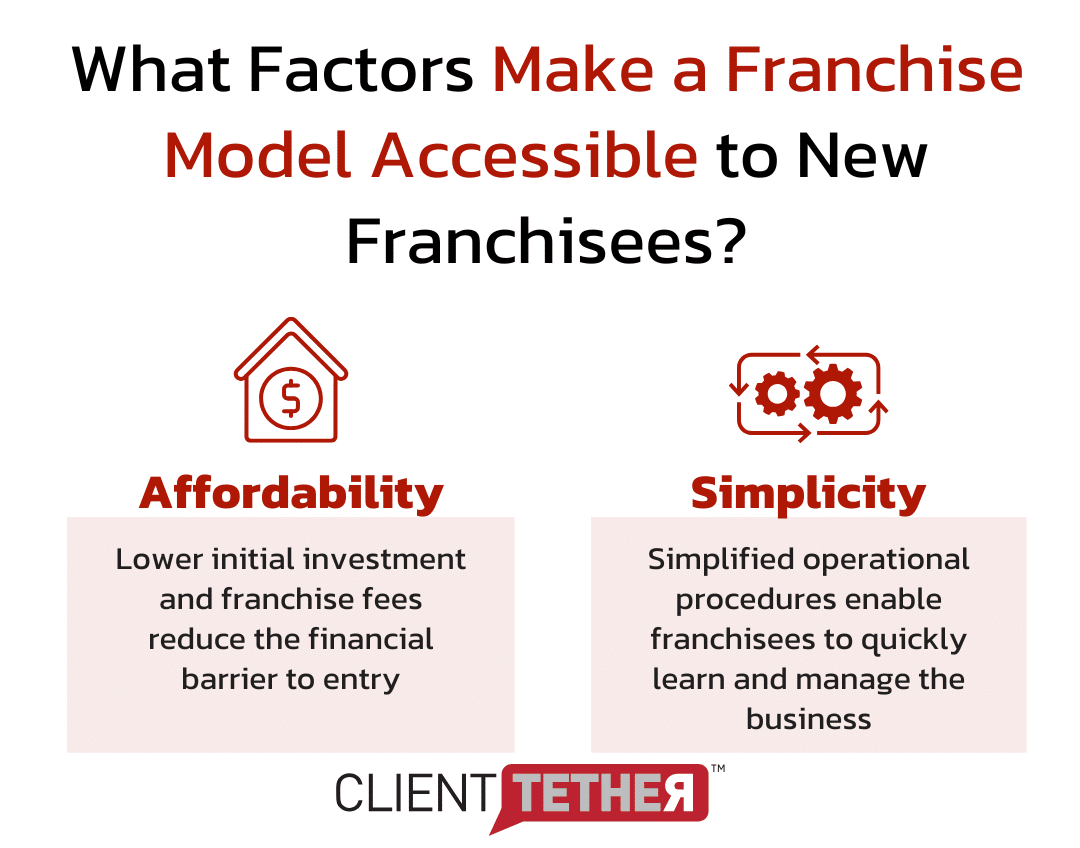
Subway’s franchise fee is $15,000, with a total investment ranging from $222,050 to $506,900. This relatively low cost has made Subway an attractive option for first-time franchisees and multi-unit operators alike.
Customization: Subway’s Competitive Edge
Subway’s “Eat Fresh” slogan isn’t just a catchy phrase-it forms the core of their business model. The chain’s assembly-line style of sandwich-making allows customers to customize their orders, choosing from a variety of breads, meats, cheeses, and toppings. This level of personalization has become a key differentiator in the fast-food market.
Food personalization is emerging as a key trend in the food and beverage industry. Subway capitalized on this trend early, making it a cornerstone of their offering.
Adapting to a Changing Market
Subway has faced challenges in recent years. The chain closed over 1,000 locations in 2018 and 2019, with increased competition and market saturation as contributing factors.
To address these challenges, Subway has implemented several strategies:
- Menu Innovation: In 2021, Subway launched its Eat Fresh Refresh campaign, introducing new ingredients and sandwiches to revitalize its menu.
- Digital Integration: Subway has invested heavily in its digital ordering platform and mobile app, which now account for over 50% of sales at some locations.
- Store Redesigns: The company is rolling out a new store design featuring digital menu boards and a more modern aesthetic to enhance the customer experience.
- International Expansion: With the U.S. market saturated, Subway focuses on international growth, particularly in Asia and Europe.
Subway’s journey showcases the power of a strong franchise model, but it also highlights the importance of staying innovative and adaptable in a competitive landscape. As Subway shifts toward a more digital approach, the importance of having systems that support consistent communication and measurable performance becomes even more apparent.
How SERVPRO Built a Scalable Home-Service Franchise
SERVPRO shows that franchising success isn’t limited to restaurants. The company has built one of the largest restoration service networks in the world by focusing on operational systems, training, and rapid response.
Founded in 1967, SERVPRO now operates more than 2,000 franchises across the United States and Canada. Instead of selling food or retail products, SERVPRO franchises provide restoration services for water damage, fire damage, mold remediation, and disaster recovery.
Systems Designed for Urgency
Unlike restaurants where consistency is the main challenge, restoration services require speed and coordination. SERVPRO franchises rely on standardized operational systems that allow teams to respond quickly when property damage occurs.
Franchisees follow detailed protocols for damage assessment, insurance documentation, and restoration procedures. This structured approach ensures homeowners and insurance partners receive reliable service regardless of location.
Training and Certification
SERVPRO invests heavily in technical training. Franchise owners and technicians complete certification programs covering restoration methods, safety procedures, and equipment operation.
This consistent training model allows the company to maintain service standards across thousands of locations — even in highly specialized work like mold remediation or fire recovery.
What Franchisors Can Learn
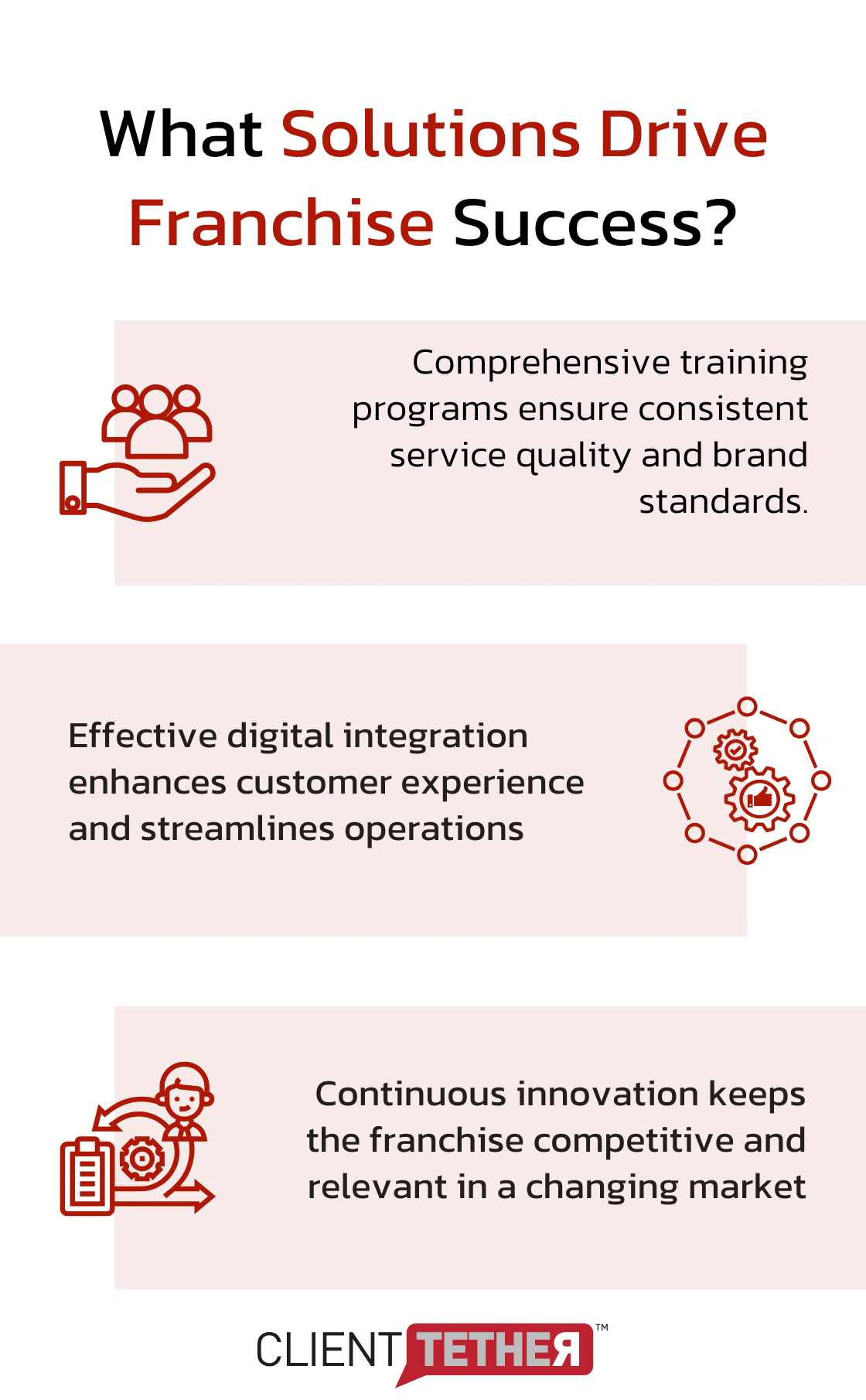
SERVPRO demonstrates that strong systems are just as critical in service-based franchises as they are in food brands:
- Standardized response procedures improve service consistency
- Training programs maintain quality across locations
- Clear operational systems help franchisees handle complex workflows
For modern service franchises, software and communication systems often play the same role that operations manuals once did — helping teams coordinate work, track performance, and maintain accountability across locations.
So What Can We Learn From These Brands?
When you step back and look at these brands side by side, a few patterns become impossible to ignore. McDonald’s, Subway, and Starbucks have demonstrated the power of strong brand identity, consistent customer experience, and adaptability to local markets. These industry giants have also shown that innovation is essential to stay ahead in a competitive landscape.
Aspiring franchisees should choose a franchise with a proven track record and a commitment to ongoing support and development. It’s important to align with a brand that values training, quality control, and customer satisfaction.
The ability to balance standardization with local market adaptation can significantly impact franchise success.
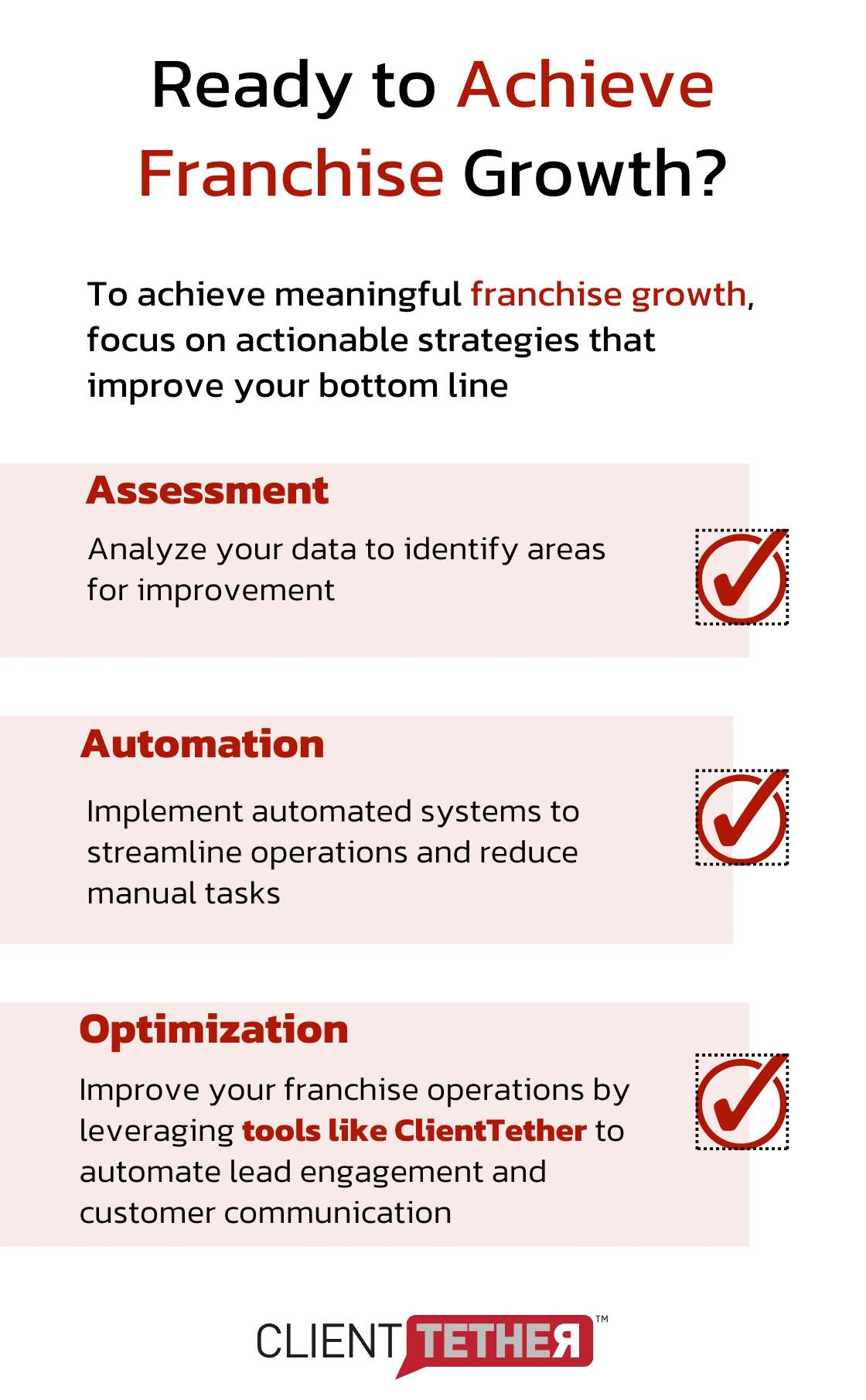
The right systems and support infrastructure can give franchisees the edge they need to thrive in the dynamic world of franchising.